
In a Singapore HDB bathroom, a ventilation fan is usually installed to help move humid air out of the room more effectively, especially where there is no existing mechanical exhaust or where the current setup is underperforming. Done properly, it is not just a matter of fixing a fan to the wall. The work involves checking the bathroom layout, choosing a suitable fan size and location, preparing the opening or window panel, and carrying out safe electrical connection as part of the wider installation process.
For homeowners, landlords and managing agents, understanding how ventilation fan installation is done can help you plan the job more sensibly. It also helps to distinguish ventilation from mould removal or mould remediation. A fan does not remove existing mould growth on walls, ceilings or other accessible surfaces. It is a preventive measure that supports moisture management, which is one of the key ways to reduce condensation and damp conditions in Singapore bathrooms.
Why a bathroom ventilation fan matters in an HDB home
Singapore’s climate is warm and humid throughout the year, so bathrooms can stay damp for longer than expected after showering or washing. In an HDB flat, this can lead to lingering moisture on painted walls, ceilings, grilles, cabinet surfaces and sealant lines. When moisture remains in the bathroom air, it may contribute to condensation on cooler surfaces and create conditions where mould can form on visible accessible areas.
A ventilation fan helps by exhausting humid air to the outside. This is especially useful if:
- the bathroom has limited natural airflow
- the window is small or kept closed for privacy
- there is persistent condensation on mirrors, walls or ceilings
- the space smells damp even after cleaning
- the current fan is weak, noisy or poorly positioned
Good ventilation supports mould mitigation, but it is only one part of the picture. The room still needs sensible cleaning, drying practices and, where relevant, attention to leaks, sealant deterioration or poor bathroom airflow.
How the fan location and size are assessed
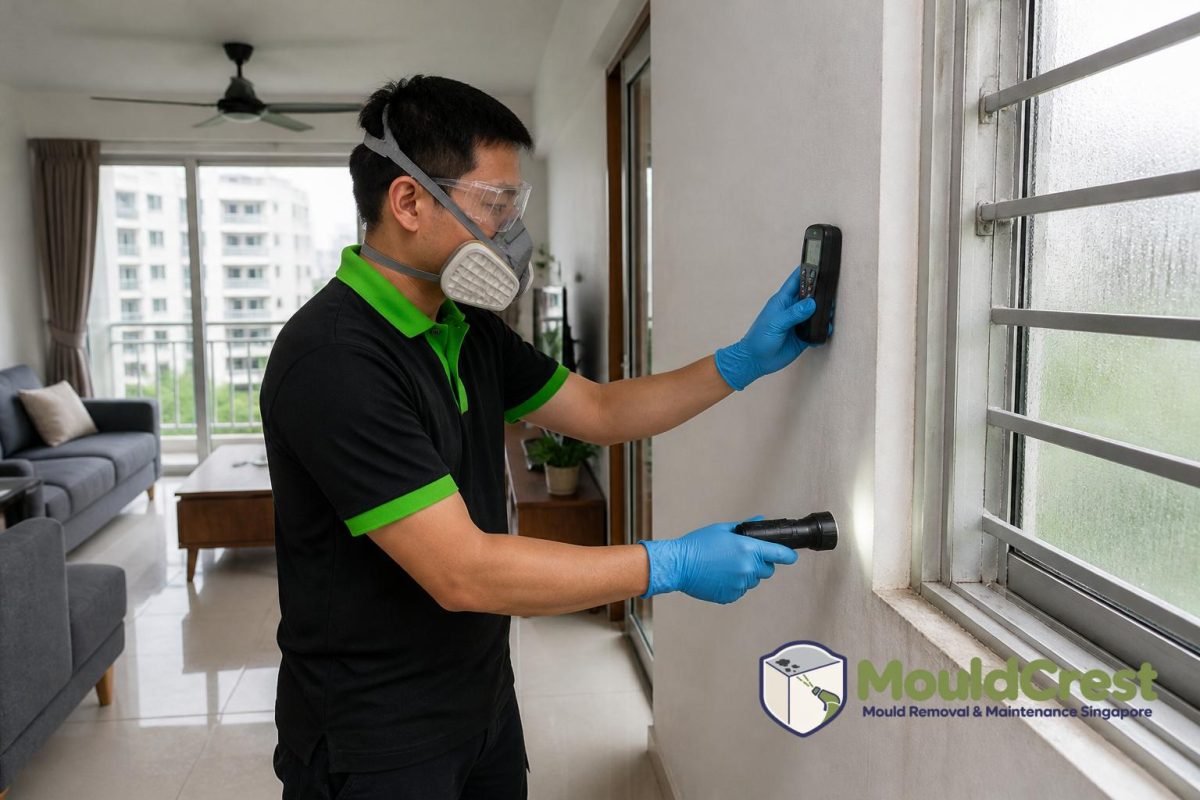
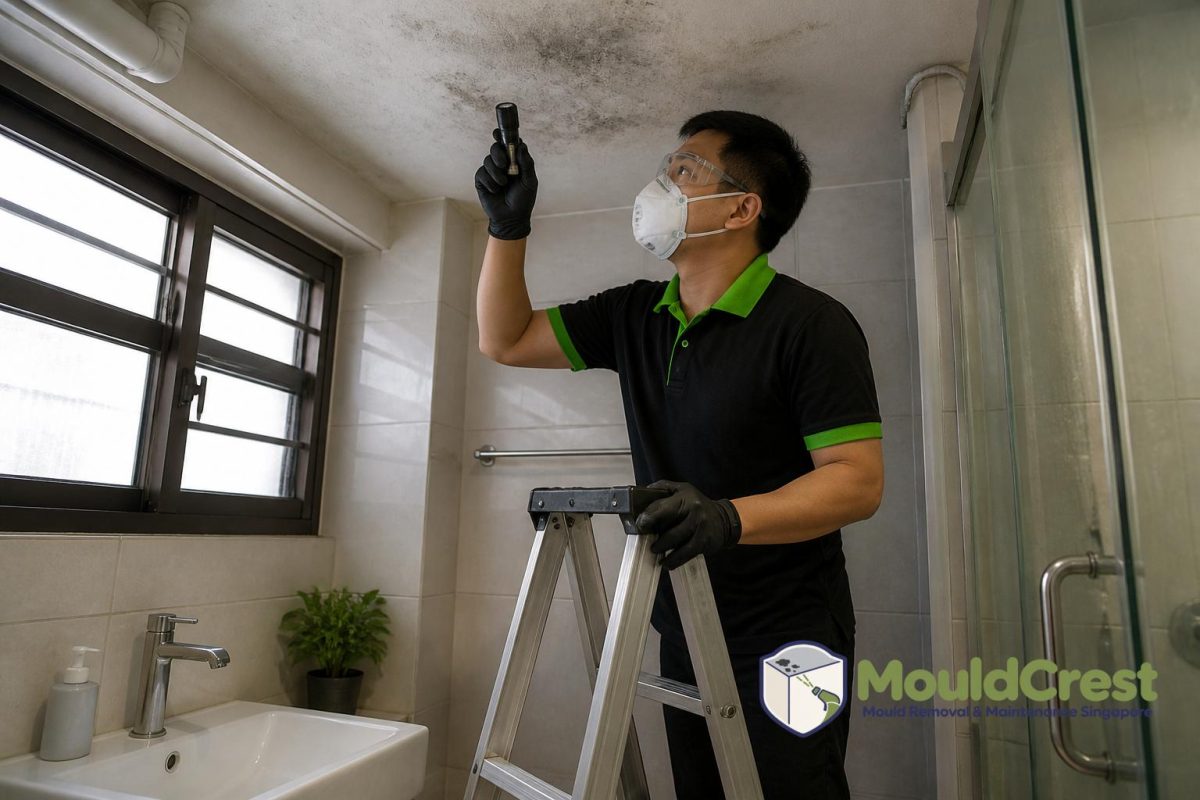
The first step is to assess the bathroom and decide where the fan can be installed safely and effectively. In an HDB bathroom, the ideal location depends on the room layout, available wall or window space, and the route for air to be discharged outdoors or into an approved ventilation point.
A practical assessment usually considers:
- the size of the bathroom
- the position of the shower area and water splash zones
- the available window or wall opening
- clearance from light fittings, pipes, grilles and bathroom accessories
- the easiest route for wiring and switching
- how to keep the installation neat and serviceable
Fan sizing matters as well. A unit that is too small may not move enough air, while an oversized unit may be noisy or unnecessary for the space. The installer will usually recommend a fan suited to the bathroom’s practical requirements rather than forcing a one-size-fits-all approach.
Preparing the opening, window panel and mounting area
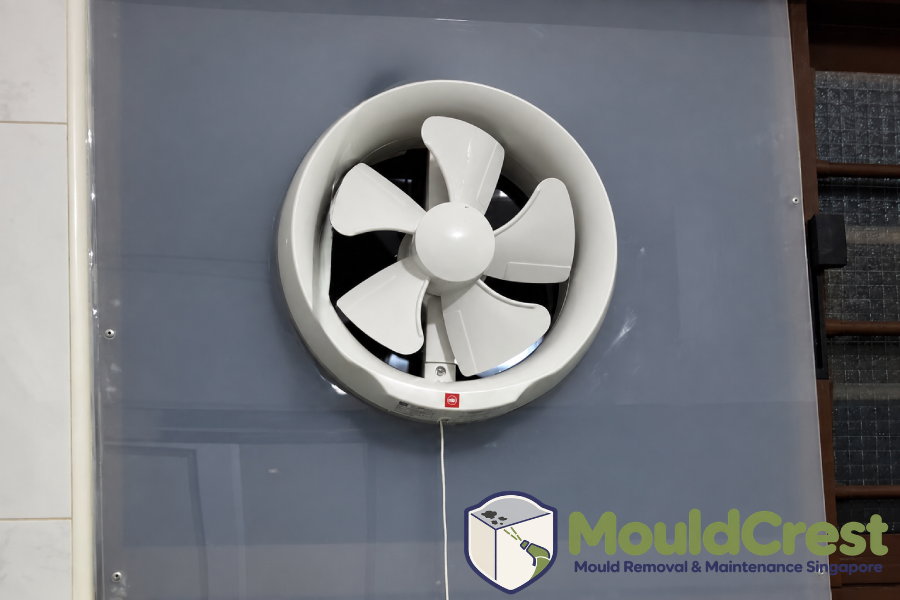
In many Singapore HDB bathrooms, the fan is installed through a window panel, louvre opening or a suitable wall position depending on the bathroom design and the building’s physical constraints. When a window-mounted installation is chosen, an acrylic panel or similar prepared insert may be fabricated so the fan can be fixed neatly and securely.
The preparation stage typically includes:
- measuring the opening carefully
- checking for cracks, unstable trims or water ingress points
- marking the fan position so airflow is directed outwards effectively
- preparing the panel or mounting surface for a secure fit
- ensuring the area is clean and dry before fixing
If drilling or cutting is needed, this must be done with care to avoid damaging surrounding tiles, waterproofing details, or nearby fixtures. In a bathroom, a neat finish matters because poor fitting can allow rattling, air leakage or unnecessary moisture entry.
Electrical installation and safe connection
Ventilation fan installation is not only a handyman job; it also involves electrical work that must be handled safely. The exact method depends on the fan type, its power requirements, and the existing bathroom wiring arrangement. The installer needs to determine how the fan will be powered, how the switch will operate, and how the cable route will be kept tidy and protected.
Important points in the electrical stage include:
- confirming the fan’s electrical compatibility with the intended supply
- using a safe and suitable cable route
- keeping wiring away from direct water exposure
- ensuring the switch arrangement is practical for daily use
- testing the fan after installation for proper operation and airflow direction
Because bathrooms combine electricity and moisture, this stage should never be improvised. A proper installation should aim for reliable operation and sensible protection against bathroom conditions, rather than a purely cosmetic fit.
How ventilation installation differs from mould removal and remediation
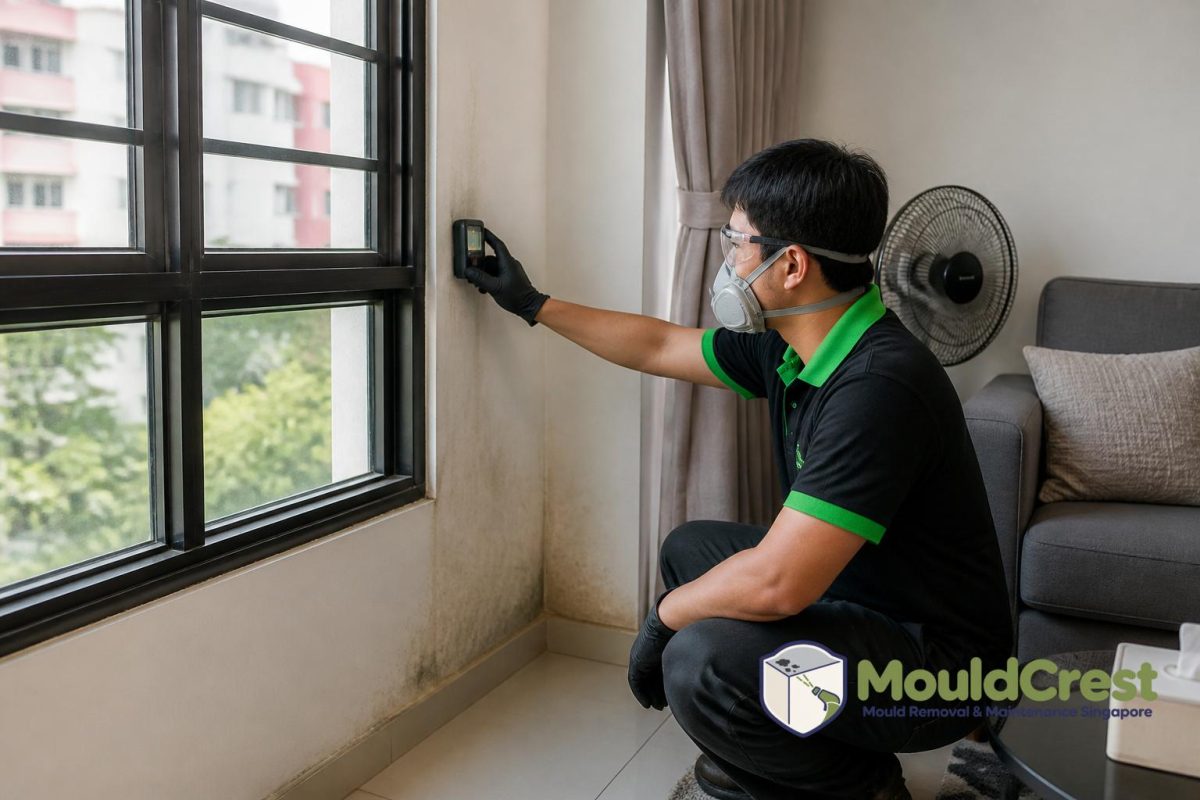
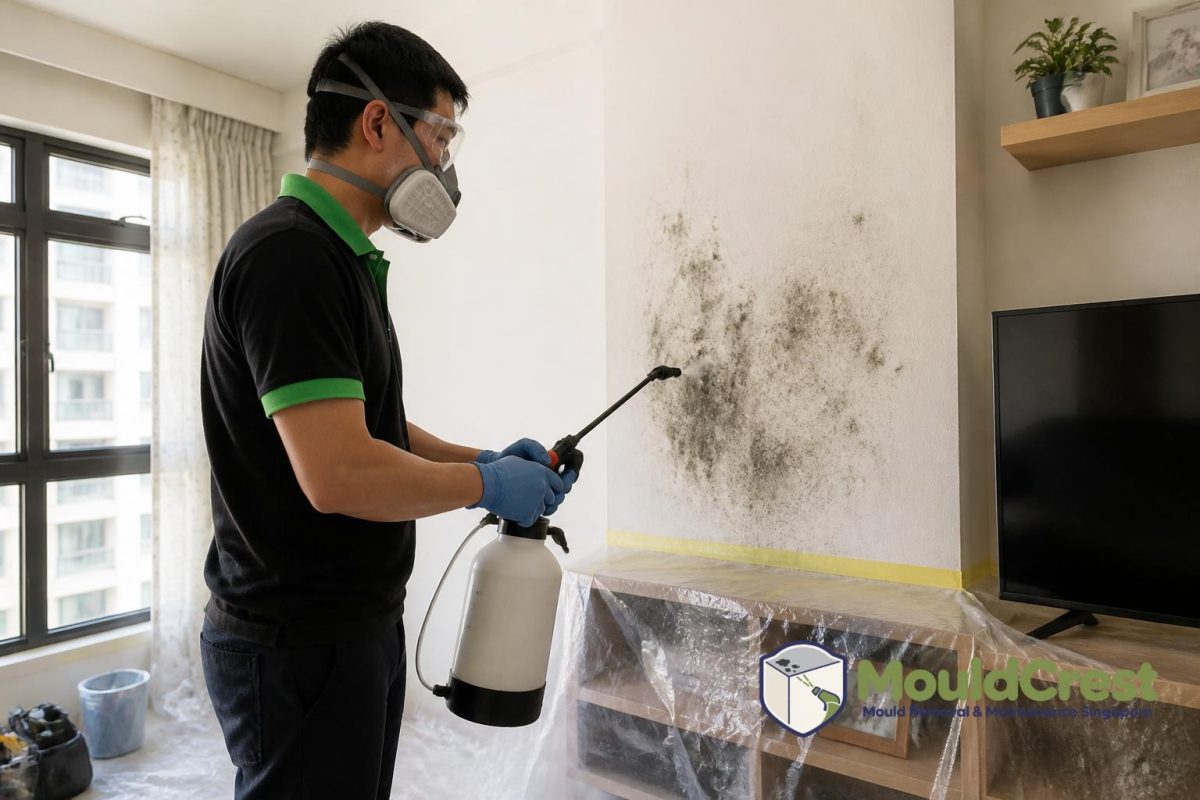
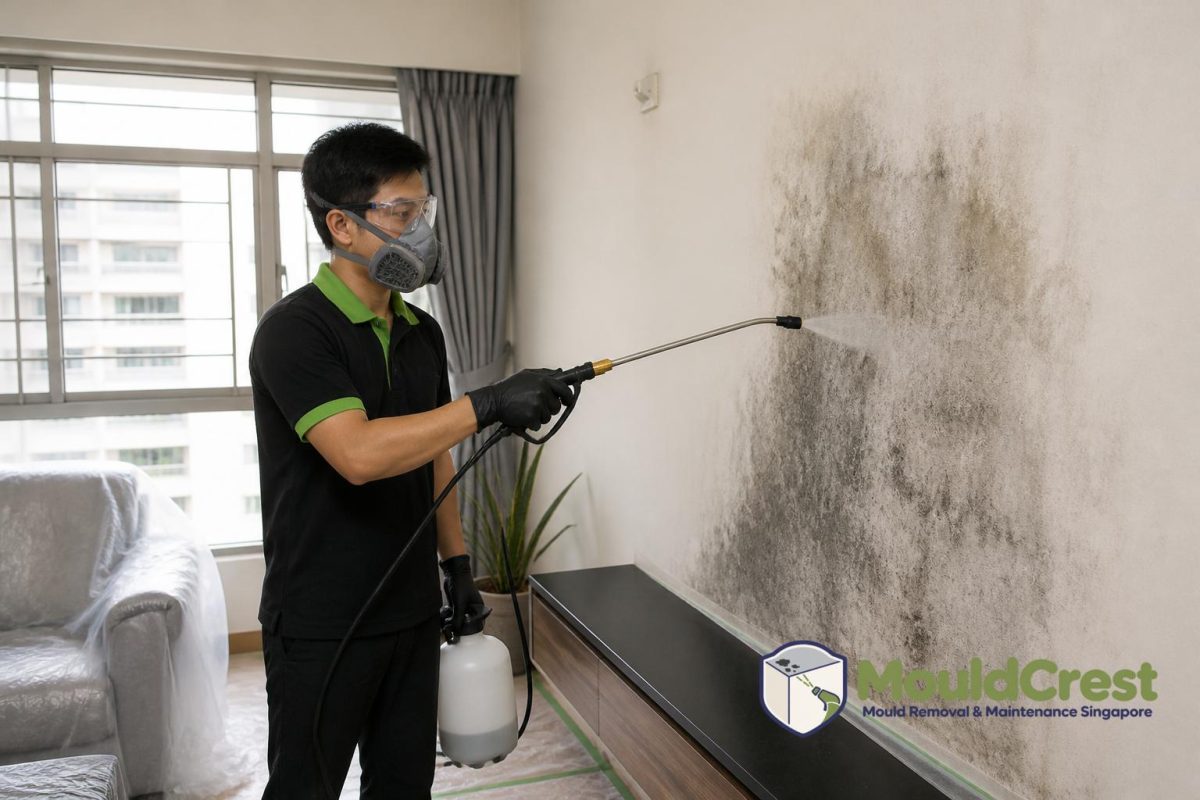
It is important not to confuse fan installation with mould removal or mould remediation. If there is already visible mould on accessible wall paint, ceiling paint, tile grout, sealant, or other surfaces, that growth needs to be assessed and treated separately.
Here is the practical distinction:
- Ventilation fan installation addresses air movement and moisture control.
- Mould removal focuses on accessible visible growth and appropriate surface treatment.
- Mould remediation looks at the broader affected area, the materials involved, and the moisture source contributing to recurrence.
- Mould mitigation is about reducing the conditions that allow mould to return, especially through humidity and ventilation management.
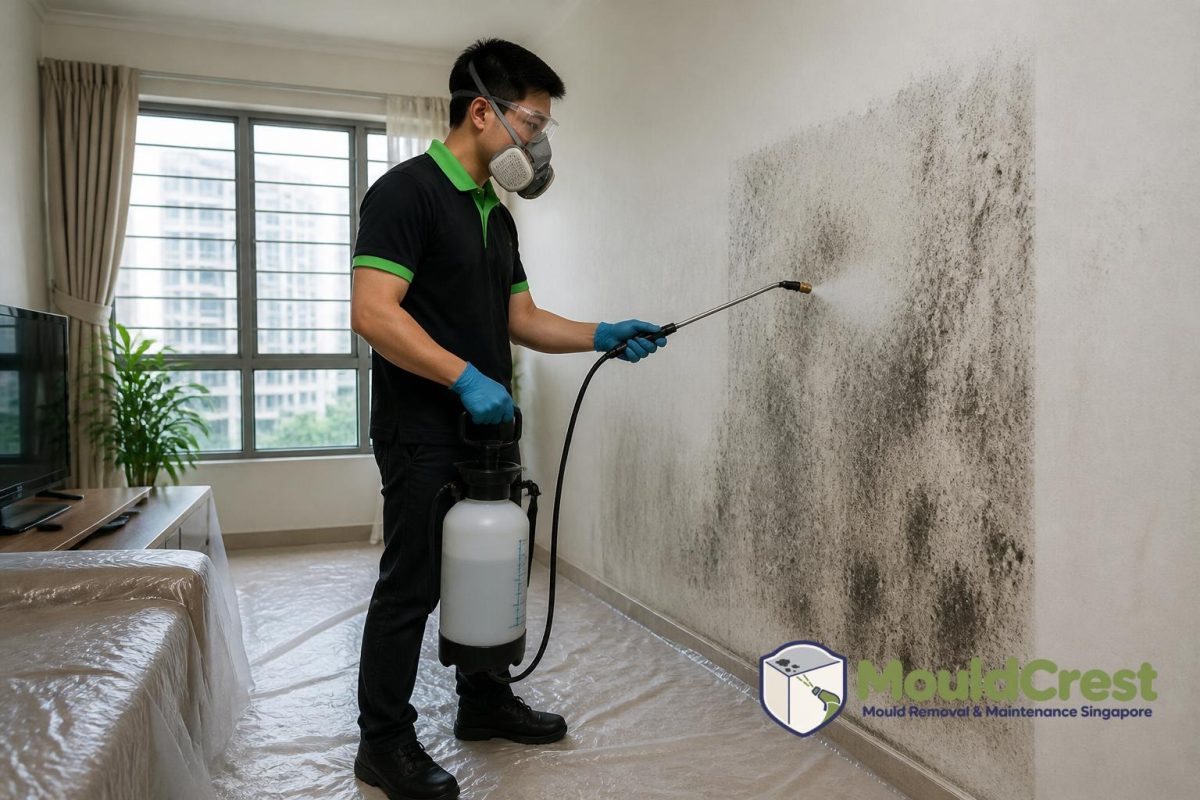
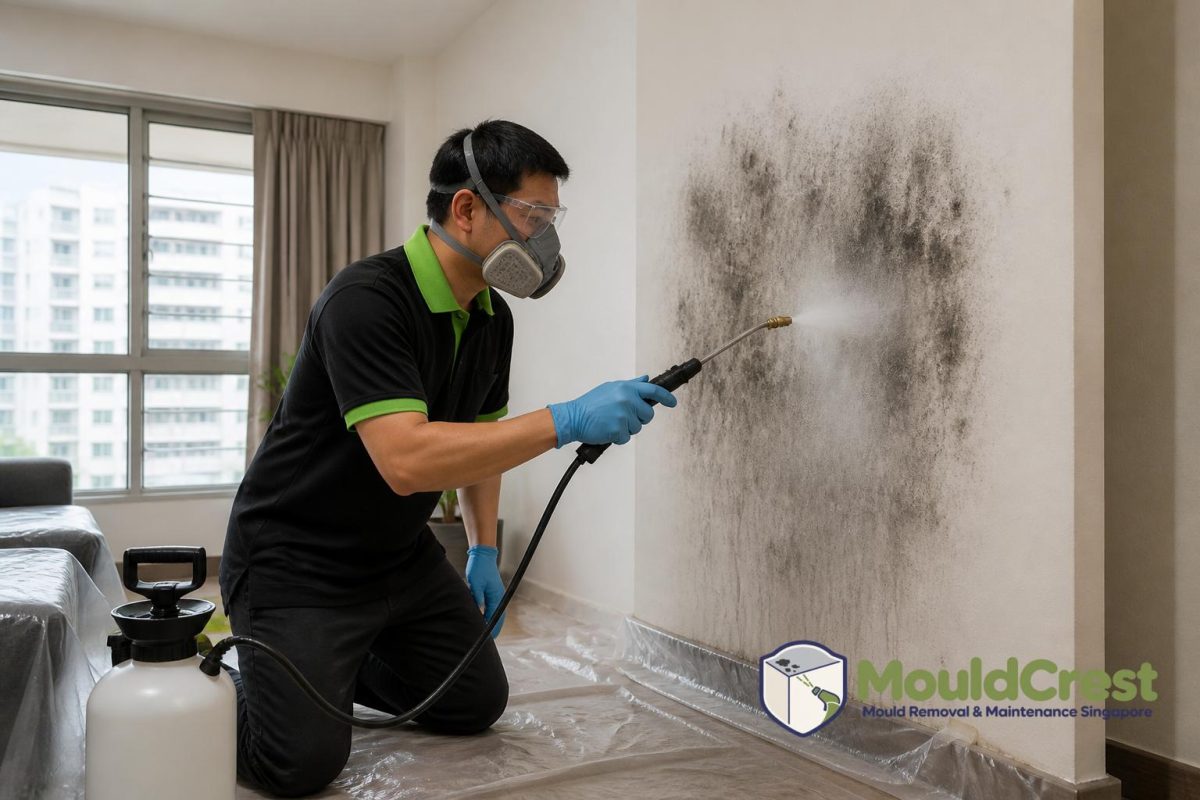
ULV fogging or misting may be used in some situations as an additional method, but it should not be treated as the only solution. Spraying alone does not solve hidden dampness, poor airflow or recurring condensation issues. Where mould has formed, the moisture cause still needs attention.
What homeowners should expect during the installation process
A typical installation is carried out in a practical sequence so the result is secure, functional and tidy. While every bathroom is different, the work often follows these steps:
- Inspect the bathroom layout and confirm the suitable location.
- Measure the opening and check surrounding surfaces and fittings.
- Prepare the panel, opening or mounting area.
- Fit the fan securely in place.
- Carry out the electrical connection and switching arrangement.
- Test airflow, noise and operation.
- Check the finished fit for stability and cleanliness.
After installation, homeowners should continue with sensible bathroom habits such as running the fan after showers, keeping the area dry where possible, and checking for leaks or persistent damp patches. If you notice repeated mould on the ceiling or walls, the issue may go beyond ventilation alone and should be assessed properly.
When to consider related property services
Ventilation fan installation often sits alongside other property maintenance needs, but each trade has a distinct role. For example, plumbing is relevant if there is a leak or drainage issue. Electrical services are needed for wiring and safe fan connection. Handyman work may cover general fitting and finishing. Aircon servicing addresses cooling equipment, not bathroom exhaust systems.
Cleaning services are useful for routine upkeep, but they do not replace mould remediation where there is visible growth. Mattress cleaning and sofa cleaning are separate services again, with their own methods and scope. Keeping these services distinct helps ensure the right work is done for the right problem.
In Singapore homes, a practical approach is to identify whether the issue is ventilation, moisture build-up, visible mould on a wall or ceiling, or a separate maintenance fault. Once the cause is clearer, the right service can be planned without unnecessary work.
For enquiries about suitable fan installation, WhatsApp MouldCrest with your window type and ventilation requirements.
Conclusion
Ventilation fan installation in a Singapore HDB bathroom is a practical moisture-management upgrade, but it must be done with proper assessment, correct placement, suitable panel preparation and safe electrical connection. A well-installed fan can help reduce lingering humidity and support mould mitigation, especially in bathrooms that do not dry out quickly. However, it should not be mistaken for mould removal or a complete solution to existing damp problems.
If there is visible mould on bathroom walls or ceilings, or if you suspect a moisture source is continuing to affect the space, that issue should be assessed separately. The best results usually come from matching the right service to the actual problem: ventilation for airflow, mould treatment for visible growth, and maintenance work for leaks or fitting issues.
Choose MouldCrest Mould Removal & Maintenance Singapore
At MouldCrest Mould Removal & Maintenance Singapore, we offer mould removal services to address mould growth and improve the condition of affected spaces. We provide wall mould removal to treat growth and marks on walls and mould on ceilings can be addressed through our ceiling mould removal service. For a more comprehensive approach, our mould remediation service addresses mould concerns across the affected area. We also offer mould mitigation to help reduce the risk of recurring growth. As airflow is an important part of managing moisture, we provide ventilation fan installation to improve air circulation and help reduce the likelihood of mould growth.
Our services also cover property maintenance, which includes handyman services for repairs and installations, plumbing services for leaking taps and fixture issues, and electrical services for switches, sockets and light fittings. To refresh frequently used furnishings, we offer cleaning services that include mattress cleaning and sofa cleaning to remove accumulated dirt. Visit our blog for helpful insights and browse our completed projects to see our work. WhatsApp us today at +65 8241 0032 to enquire about our services and to discuss your requirements.
Frequently Asked Questions
Can a bathroom ventilation fan remove existing mould?
No. A fan improves airflow and helps reduce moisture, but it does not remove existing visible mould from walls, ceilings or other surfaces. Existing growth still needs proper assessment and treatment.
Where is the best place to install a fan in an HDB bathroom?
The best location depends on the bathroom layout, available opening, and safe electrical routing. In many cases, the aim is to place the fan where it can exhaust humid air effectively without interfering with shower areas, fittings or water exposure.
Is an acrylic window panel always needed?
Not always. It depends on the bathroom’s structure and the chosen installation method. Some bathrooms may use a window-mounted setup with a prepared panel, while others may require a different arrangement based on the available space and safe installation route.