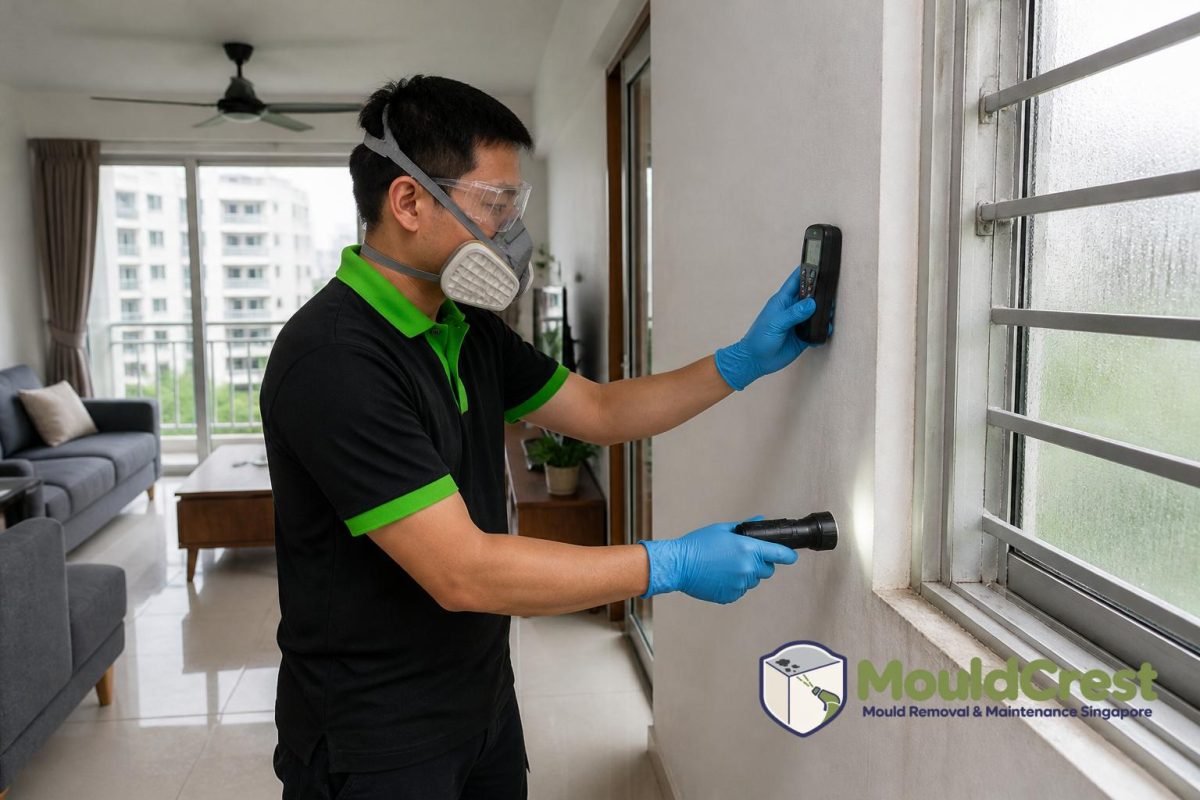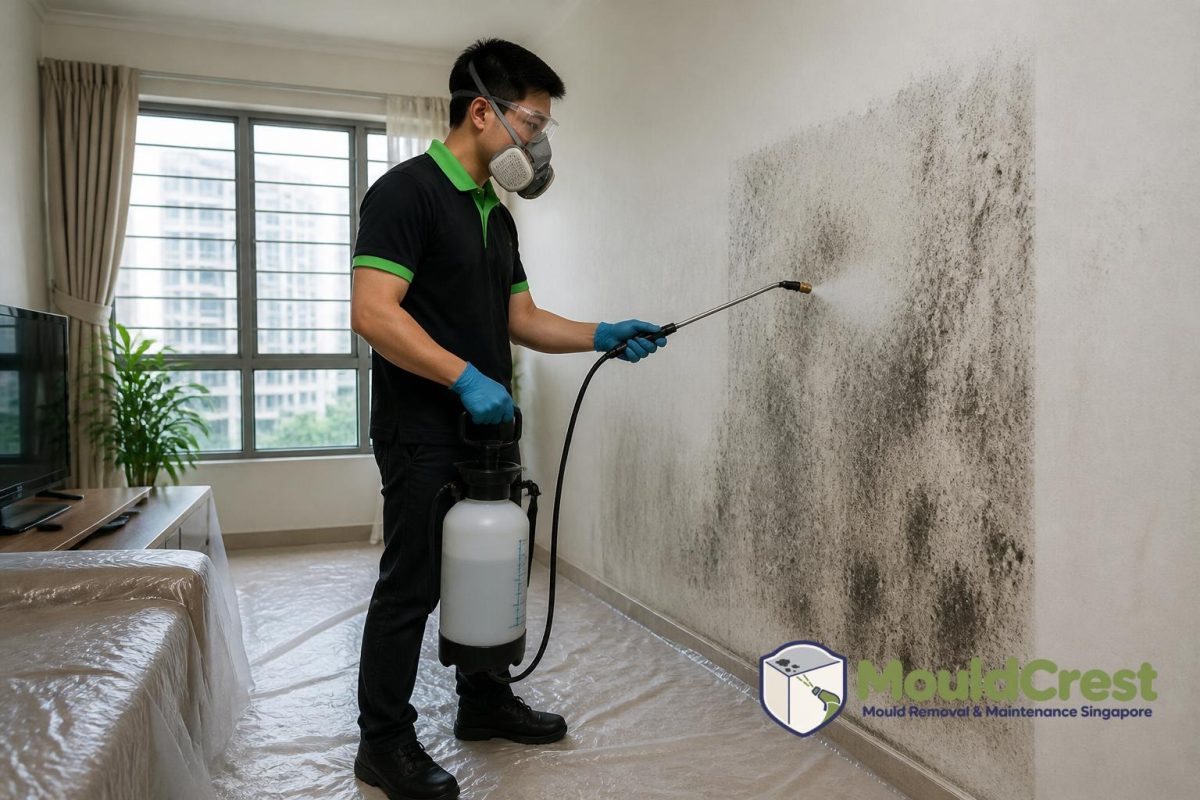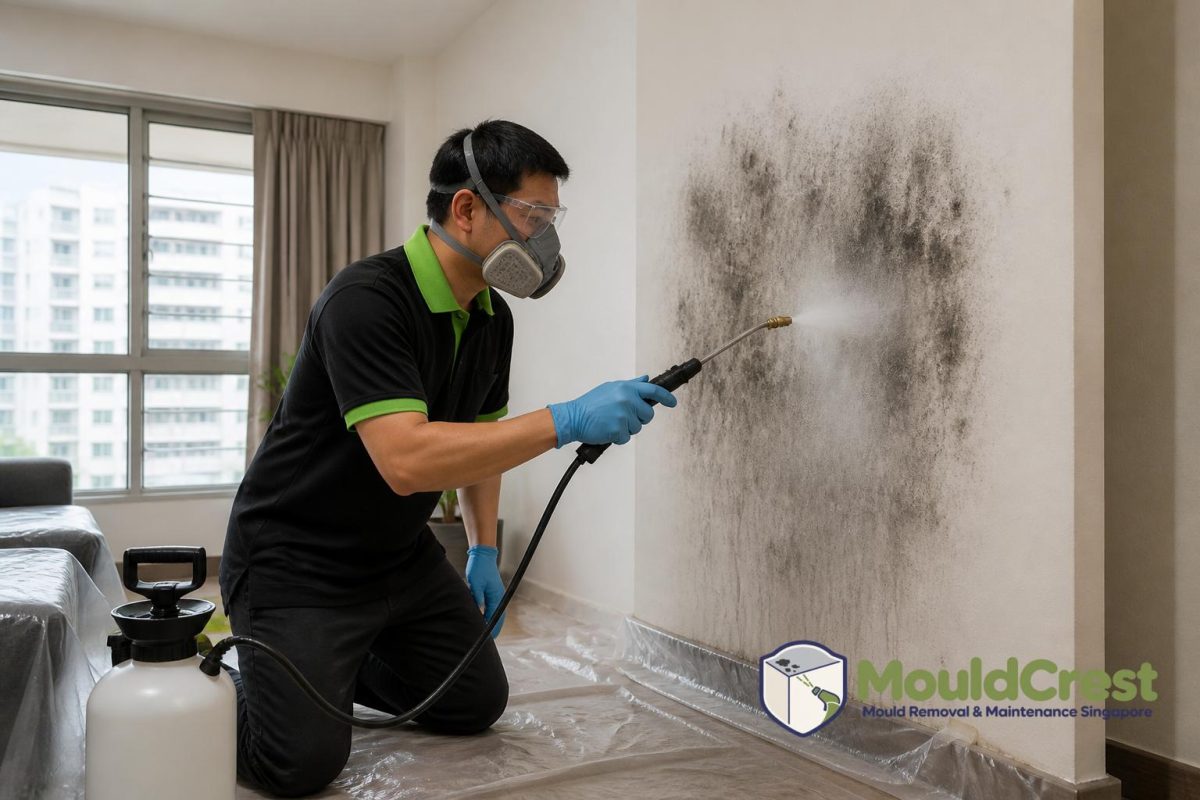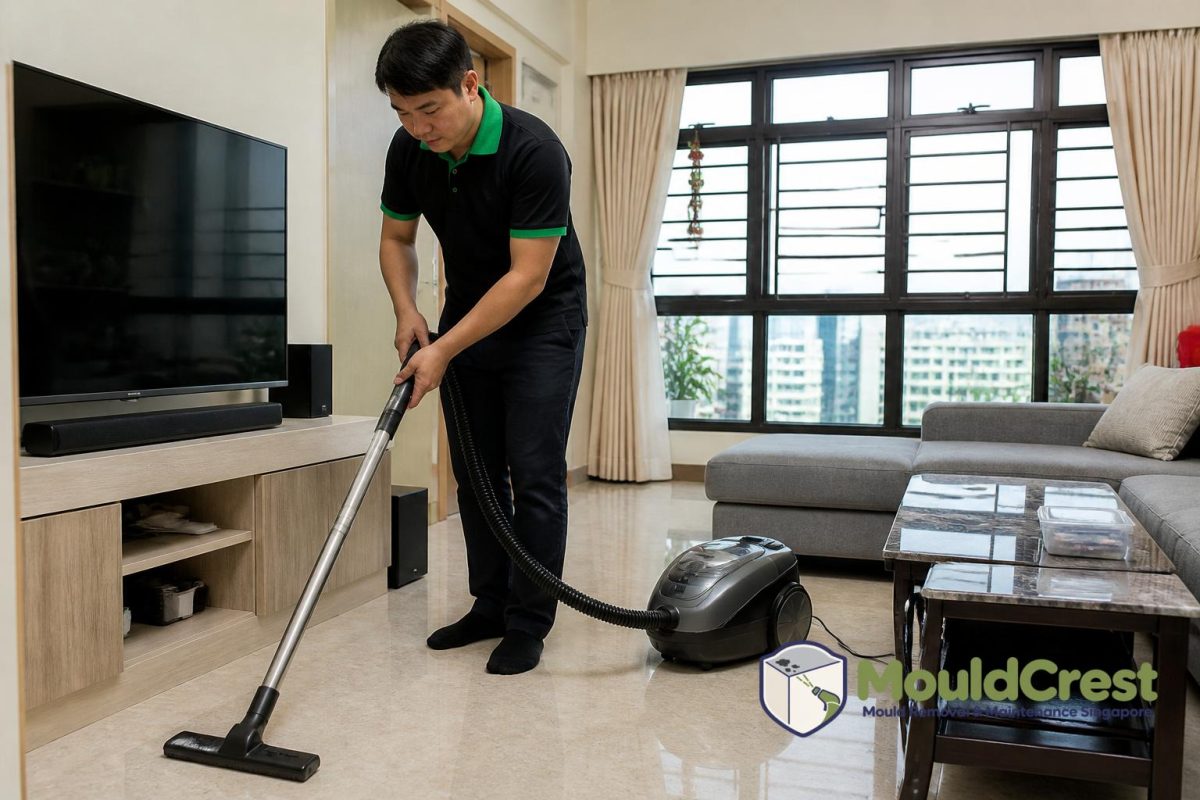

In Singapore, mould mitigation is not usually a one-off job. Because our climate is warm and humid for much of the year, moisture can return quickly if the underlying conditions are not addressed. The right frequency depends on the property type, the areas affected, and whether there are ongoing issues such as condensation, poor airflow, plumbing leaks, or repeated air-conditioning drips. For many homes and business premises, mould mitigation is best treated as an ongoing maintenance measure rather than a single event.
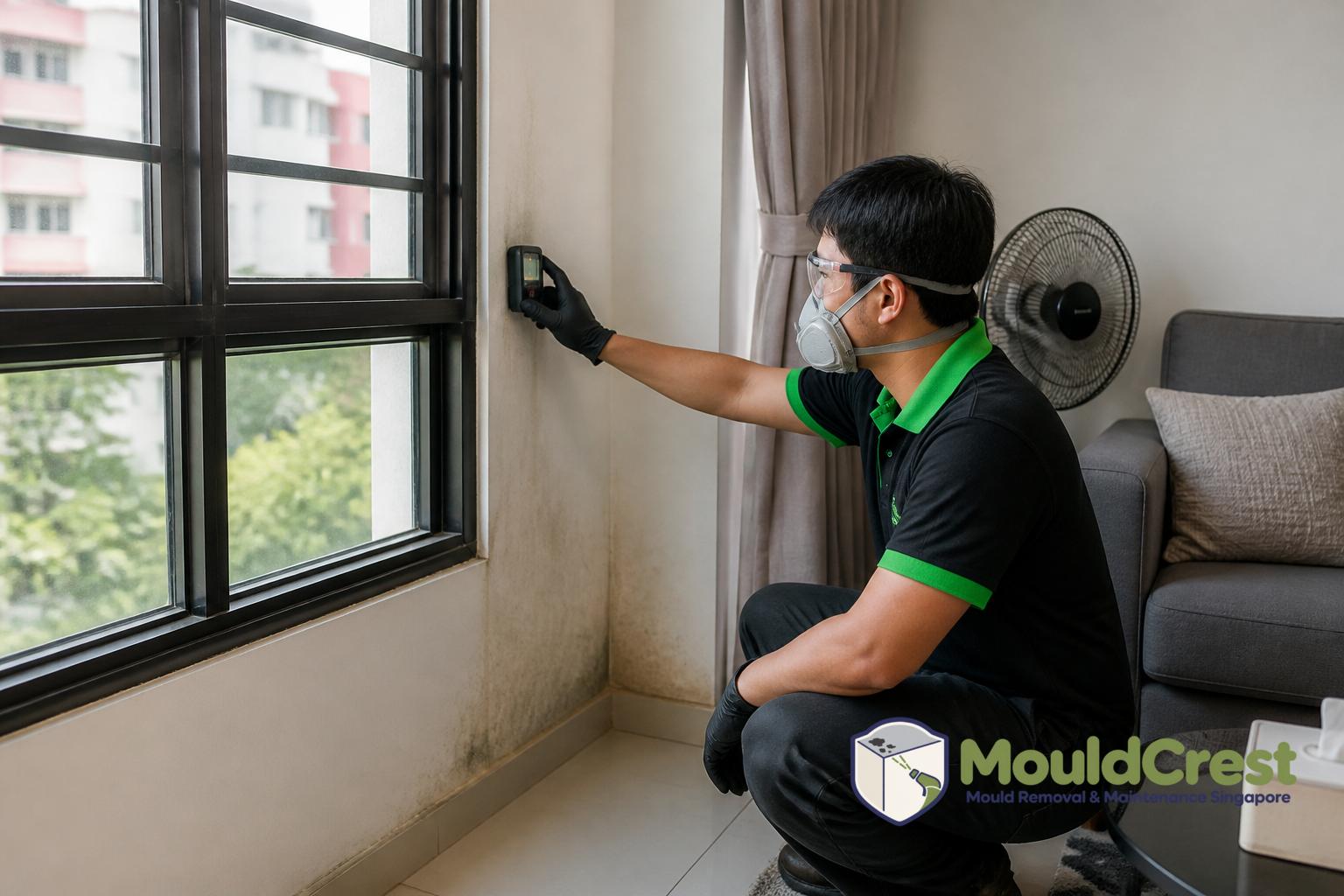
If you are asking how often mould mitigation should be carried out, the practical answer is: as needed after an assessment, and then periodically to keep moisture under control. In a Singapore HDB flat, condominium unit, landed home, or commercial space, the timing will depend on how often rooms stay closed, how well they are ventilated, and whether there are known wet areas such as bathrooms, kitchens, service yards, or air-con ledge spaces. The aim is not just to remove visible growth, but to reduce the conditions that allow it to return.
What mould mitigation means in Singapore
Mould mitigation focuses on preventing favourable moisture conditions. This usually includes humidity control, better airflow, condensation reduction, and practical moisture management around the affected area. It is different from a simple surface clean. If visible mould is already present, the first step is usually mould removal or mould remediation, depending on the extent and whether broader material or moisture issues need attention.
In Singapore homes, mitigation may involve:
- Improving natural or mechanical ventilation in damp rooms
- Reducing condensation on walls, ceilings, and windows
- Identifying leaks, seepage, or recurring damp patches
- Managing indoor humidity and airflow patterns
- Addressing recurring build-up in poorly ventilated corners
Fogging or misting may sometimes be used as an additional treatment, but it should not be relied on as the only method. If moisture remains, mould can return on the same surface or nearby materials.
How often should mould mitigation be done?
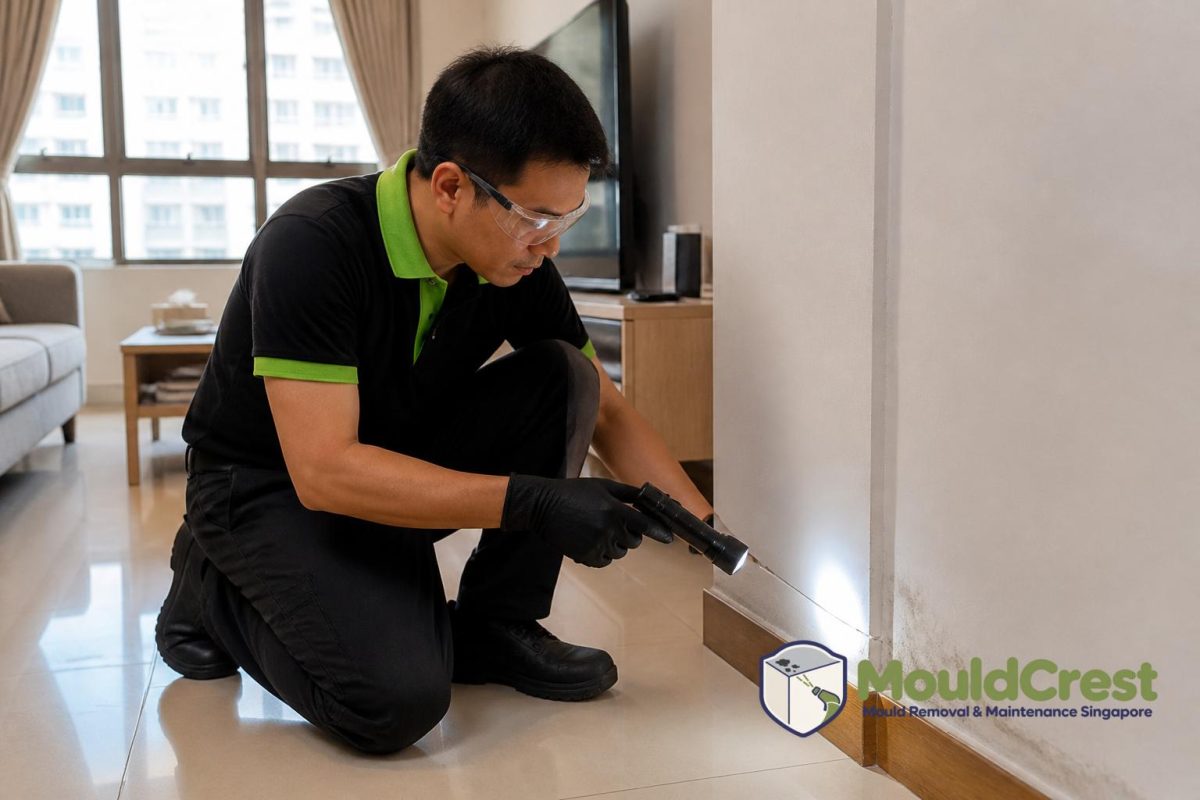
There is no fixed universal schedule that suits every property. A sensible approach is to carry out mould mitigation whenever there is a visible or recurring moisture problem, and to review high-risk spaces regularly. In many Singapore homes, this means checking problem areas every few months, especially during wetter periods or after repairs, renovations, or changes in use of a room.
As a general guide, mould mitigation may be needed:
- Immediately when visible mould, persistent odour, or damp patches appear
- After water-related incidents such as leaks, overflows, or air-con condensation issues
- Seasonally for rooms that tend to trap humidity, such as bathrooms and service yards
- As part of routine maintenance in properties with known ventilation limitations
- Before re-occupancy or leasing when a space has been closed up for some time
For landlords and property managers, it is sensible to inspect moisture-prone areas regularly rather than waiting for visible mould to spread. For homeowners, paying attention to early signs can reduce the need for larger treatment later.
When mould removal is enough, and when remediation is needed
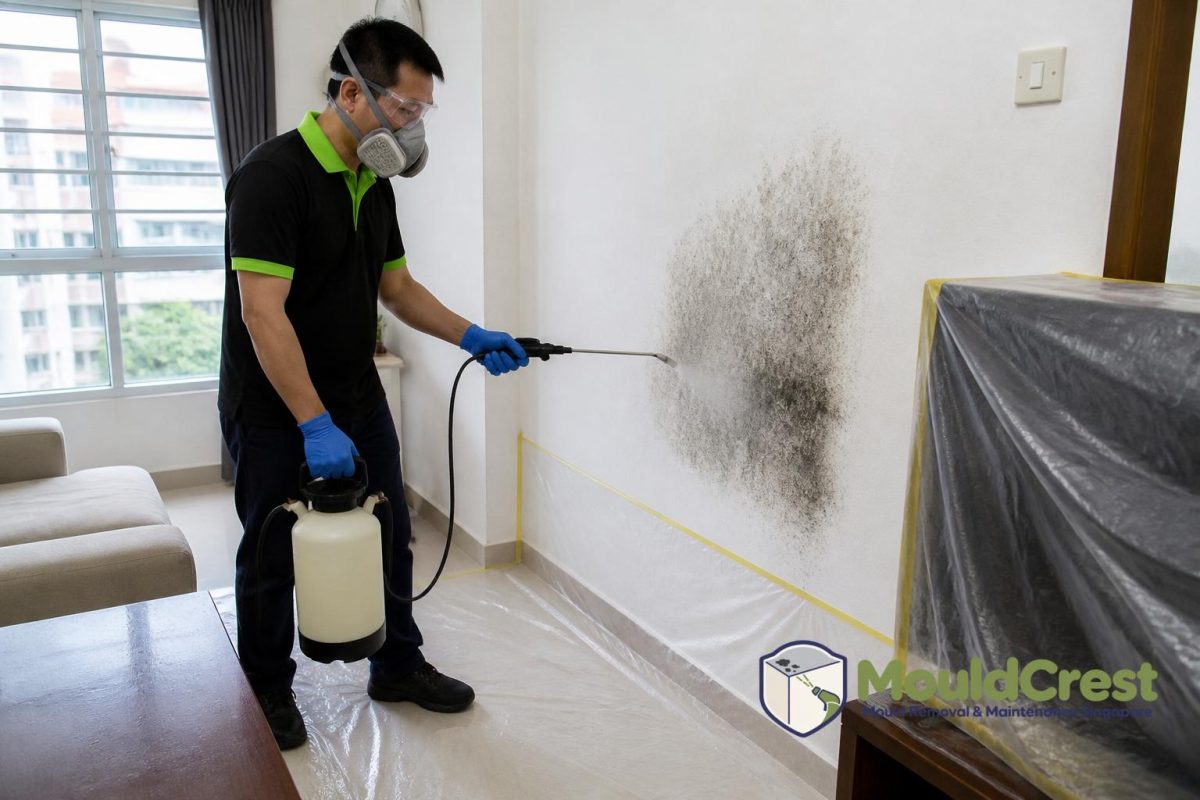
Mould removal is usually suitable when the issue is limited to accessible visible growth on a surface and the surrounding material is still serviceable. The surface is assessed first, then the appropriate treatment is selected based on the material, location, and extent of contamination. Spraying alone should not be described as a complete prevention method, because it does not solve the moisture source.
Mould remediation is broader. It may involve a scope assessment, treatment of affected accessible materials, and management of the likely moisture source. This is more appropriate where the issue is recurring, more extensive, or connected to dampness in the surrounding area. The focus is on both the visible mould and the conditions allowing it to develop.
Examples of situations that may call for remediation rather than a simple surface clean include:
- Repeated mould after earlier cleaning
- Widespread staining across multiple surfaces
- Dampness linked to plumbing, air-con, or external seepage
- Areas with poor airflow and repeated condensation
Wall mould removal and ceiling mould removal are not the same
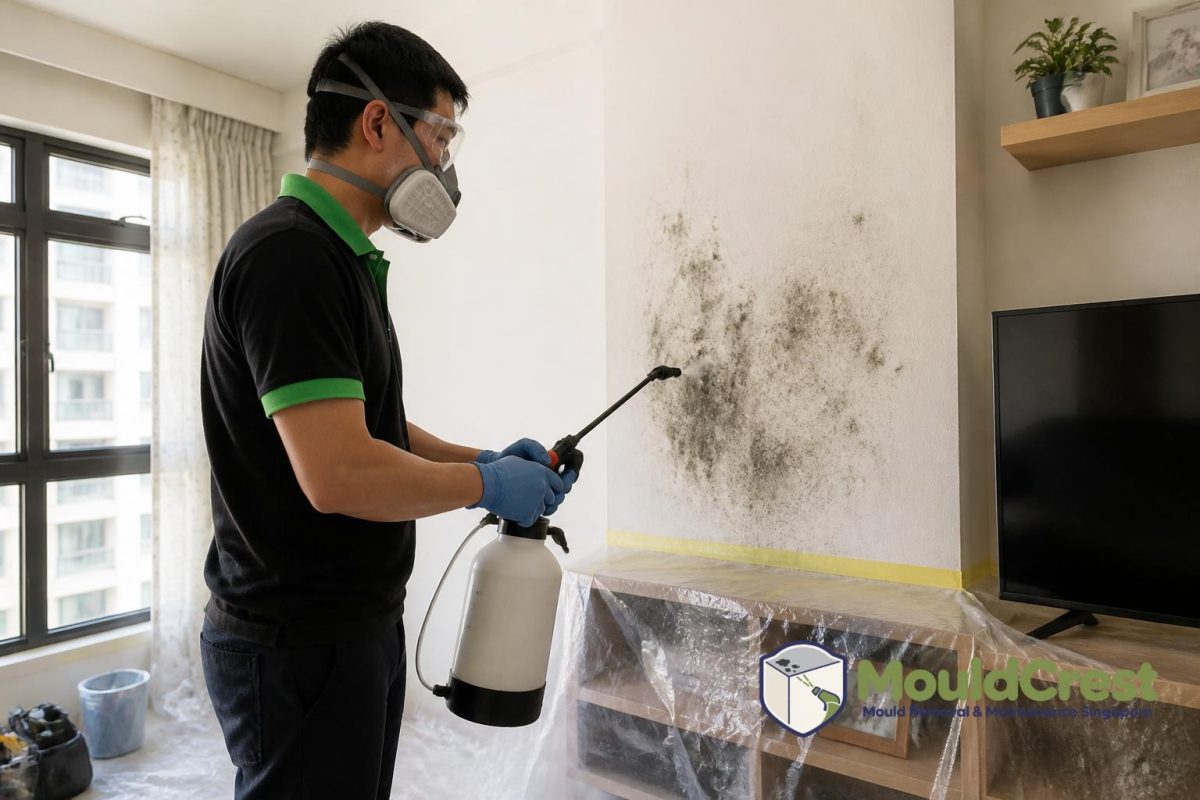
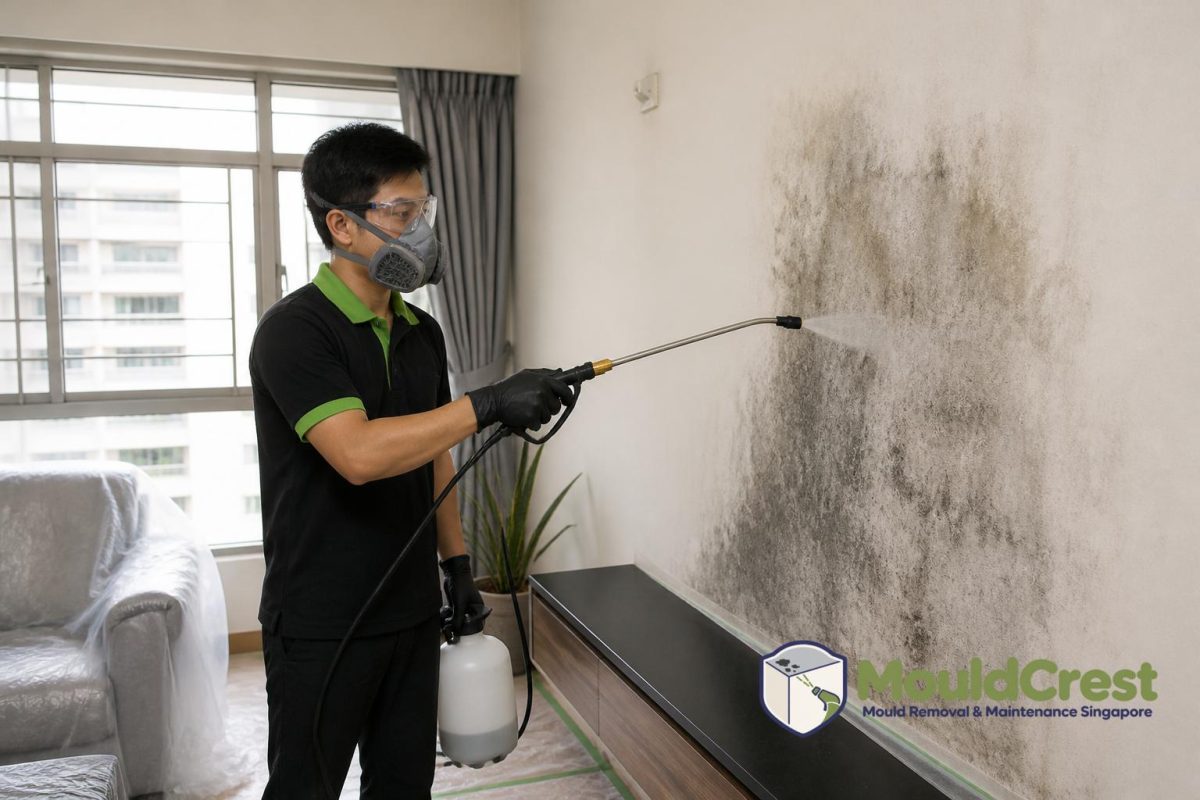
Wall mould removal usually involves vertical plastered or painted surfaces. The treatment approach depends on whether the wall is only surface-marked or whether dampness is affecting the paint, plaster, or adjacent materials. Access is generally easier than for overhead work, but the cause still matters. A wall that keeps “sweating” from condensation, for example, may need mitigation rather than repeated cleaning alone.
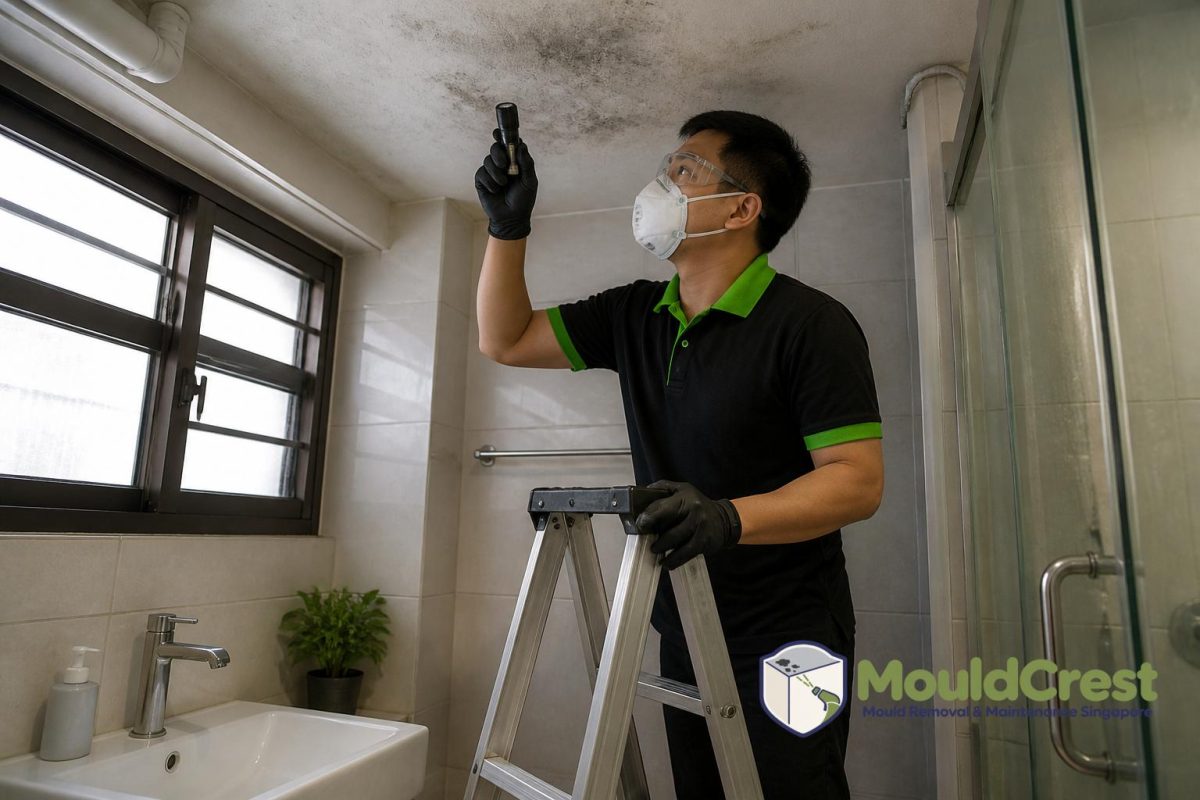
Ceiling mould removal requires a different approach because overhead access, working position, and surface preparation are more involved. Ceilings can be affected by poor ventilation, bathroom steam, air-con condensation, or leaks from above. Proper preparation and PPE are important, particularly where flakes, dust, or disturbed material may fall during treatment.
In both cases, the visible mould should be assessed on the actual surface condition, not treated as if walls and ceilings behave the same way. The moisture cause needs to be considered, otherwise the same patch may reappear.
Common causes that affect how often treatment is needed
The frequency of mould mitigation in Singapore depends heavily on the source of moisture. Properties with recurring dampness will usually need more frequent checks and corrective action than dry, well-ventilated homes.
- Condensation: Cold surfaces meeting warm, humid indoor air, especially on walls, ceilings, and window frames
- Poor ventilation: Bathrooms, kitchens, wardrobes, and closed rooms with limited airflow
- Plumbing issues: Slow leaks, concealed drips, or dampness around sinks, toilets, and service areas
- Air-con factors: Blocked drainage, dripping units, or cold surfaces creating condensation
- External moisture entry: Rain seepage or water ingress around vulnerable points
Because these causes differ, the appropriate service may differ as well. A mould issue caused by airflow problems is handled differently from one linked to plumbing or air-conditioning.
How other services support mould mitigation
Mould mitigation can be supported by other trades, but they remain distinct services with different purposes.
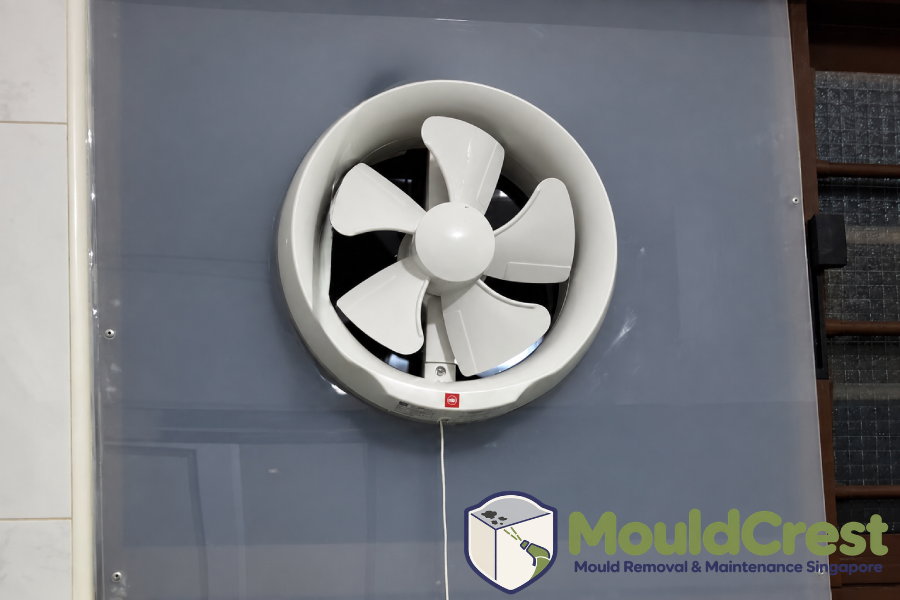
Ventilation fan installation may help in specific areas where mechanical airflow is needed. The fan must be sized and positioned appropriately, and installation should include safe electrical work. In some homes, an acrylic panel for a window opening may be part of the setup where suitable. This is not the same as mould removal, but it can reduce moisture build-up.
Plumbing services are relevant when leaks, blockages, or damp plumbing fixtures are contributing to mould. The focus is on fixing the water issue, not treating mould directly.
Electrical services may be needed for fan installation or related fittings, but mould treatment itself is a separate task.
Aircon servicing can help address drainage, condensation, and cleanliness issues around cooling equipment. It should be done as an equipment service, not confused with mould remediation.
Property maintenance and handyman services may assist with minor repairs, sealant touch-ups, or access preparation, where appropriate.
Cleaning services, mattress cleaning, and sofa cleaning are different again. They can support general hygiene in a property, but they are not substitutes for proper assessment of wall, ceiling, or hidden moisture problems.
Practical maintenance habits between treatments
Between professional visits, good habits can reduce how often mould mitigation is needed. In Singapore homes, especially those with air-conditioning or enclosed layouts, small changes can make a meaningful difference.
- Use exhaust fans where provided and keep them on long enough after bathing or cooking
- Open windows when weather and privacy allow, to improve cross-ventilation
- Avoid blocking air movement with large furniture placed tightly against walls
- Dry wet surfaces promptly after cleaning or spills
- Monitor corners, wardrobes, behind beds, and service yard areas for dampness
- Check for recurring stains or odours after rain or heavy air-con use
If mould returns quickly after cleaning, that is a sign that the cause may still be present. In that case, a proper assessment is more useful than repeating the same surface treatment.
To discuss the mould concern covered here, WhatsApp MouldCrest with details of the affected surface and any moisture signs to request an assessment or quotation.
Conclusion
In Singapore, mould mitigation should be carried out whenever moisture risks are present, not just on a fixed yearly schedule. For some homes, this means occasional preventive checks; for others, especially those with recurring condensation, leaks, or poor airflow, it may be needed more regularly. The key is to match the treatment to the problem: mould removal for accessible visible growth, mould remediation for broader affected areas and moisture-source management, and mitigation to reduce future recurrence through better humidity and ventilation control.
Wall mould removal and ceiling mould removal also require different access and preparation, while ventilation fan installation, plumbing, electrical work, aircon servicing, and maintenance tasks each play a distinct role. In all cases, lasting results depend on addressing both the surface and the moisture conditions behind it.
Choose MouldCrest Mould Removal & Maintenance Singapore
At MouldCrest Mould Removal & Maintenance Singapore, we provide mould removal to treat affected surfaces and restore their appearance. Our wall mould removal service addresses growth and marks on walls. For mould on ceilings, we offer ceiling mould removal. We also provide mould remediation for a more comprehensive approach to affected areas. To help manage the risk of mould returning, our mould mitigation service focuses on the conditions that encourage growth. We offer ventilation fan installation to improve airflow and help reduce moisture build-up. Our services also cover property maintenance, including handyman services for various repairs and installations, plumbing services to address plumbing issues, and electrical services for different electrical fittings. We also provide cleaning services such as mattress cleaning and sofa cleaning to freshen frequently used furnishings. Explore our blog for practical information and browse our completed projects to see our work. WhatsApp us today at +65 8241 0032 to enquire about our services and discuss your needs.
Frequently Asked Questions
Can mould mitigation be done once and forgotten?
Usually not. Mould mitigation works best as an ongoing moisture-management measure. If humidity, leaks, or poor ventilation remain, the issue may return even after treatment.
Is fogging or misting enough on its own?
No. Fogging or misting may be used as an additional method, but it should not be treated as a long-term solution by itself. Moisture control and ventilation matter just as much, if not more.
How do I know if I need wall mould removal or mould remediation?
If the issue is limited to visible mould on an accessible wall surface, wall mould removal may be suitable. If the mould keeps returning, affects a wider area, or appears linked to dampness in the structure or surrounding materials, mould remediation is more appropriate.